

































The European Olive, scientifically known as Olea europaea, is a small to medium-sized evergreen tree native to the Mediterranean region. Here's some information about the European Olive:
-
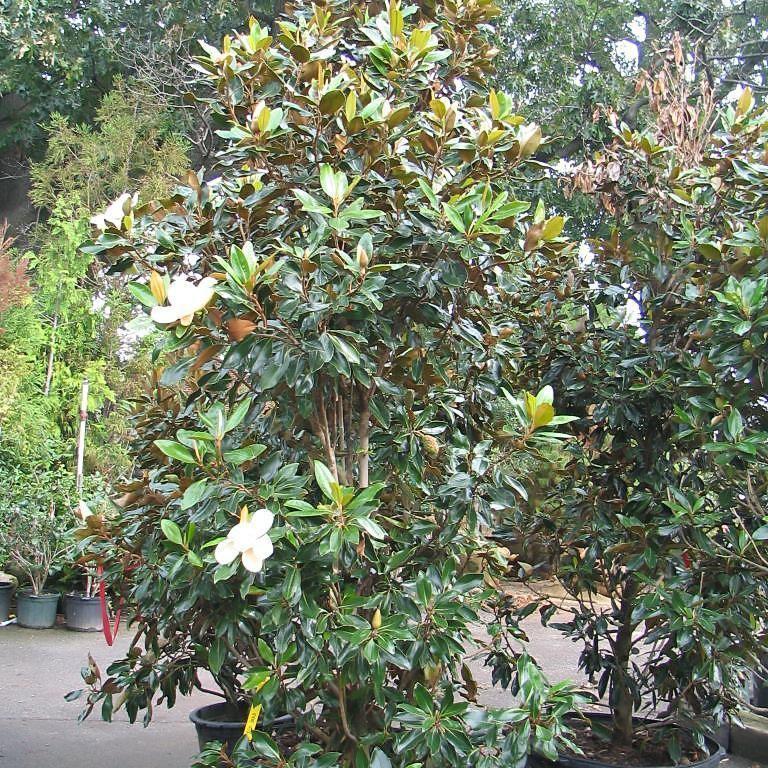
Appearance: The European Olive has a distinctive appearance with its gray-green, leathery leaves that are oblong or elliptical in shape. The tree has a gnarled and twisted trunk, and its branches spread out in a graceful manner. It can reach a height of 20-40 feet (6-12 meters) and has a spread of 20-30 feet (6-9 meters).
-
Growing Conditions: European Olives thrive in regions with a Mediterranean climate, characterized by hot, dry summers and mild, wet winters. They prefer full sun exposure and well-drained soil. They are drought-tolerant once established but benefit from regular watering during dry periods, especially when young.
-
Fruit Production: One of the most notable features of the European Olive is its fruit, known as olives. The olives are small, oval-shaped drupes that start off green and ripen to a dark purple or black color. Olives are typically harvested for their oil, but they can also be cured and eaten.
|
Type: |
|
|
Origins: |
Mediterranean |
|
Height: |
20' - 30' |
|
Spread: |
15’ - 25' |
|
Spacing: |
20' |
|
USDA Hardiness Zone: |
8 - 10 |
|
Culture: |
|
|
Bloom Color: |
White |
|
Season of Interest: |
MAINTENANCE NEEDS: Low Maintenance. No serious pest or disease issues. Watch for Olive knot, verticillium wilt, and root rot.
LANDSCAPE USES: Accents or Group Plantings, Borders, Foundation Plantings, Hedges, and Containers.
COMPANION PLANTS: Thyme, Lavender, Marigold
IMAGES: user:Sking, Olivo (Plaza de Mayo), CC BY-SA 3.0, (2) Luis Fernández García, Olea europaea retonno, CC BY-SA 2.5 ES, (3) H. Zell, Olea europaea 003, CC BY-SA 3.0, (4) anonymous, OlivenReif, CC BY-SA 3.0
*As plants have ranges in appearance they may not appear as the images shown.