














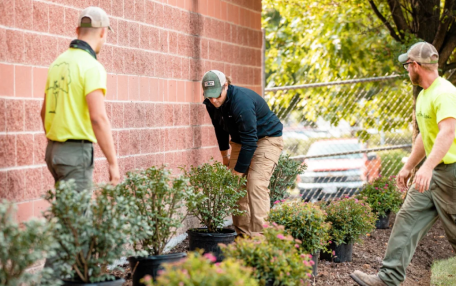


From Garden to Table: Vegetables & Herbs You Should Be Growing This Season
There’s nothing more satisfying than stepping outside and harvesting ingredients straight from your own garden. Whether you have raised beds, in-ground rows, or just a few containers on a patio, vegetables and herbs bring flavor, beauty, and purpose to your landscape.
In the South, especially here in Georgia, our long growing season gives us an advantage. With proper planning and plant selection, you can harvest from early spring through late fall—and in some cases, year-round.
Let’s break down what to grow, how to grow it, and why vegetables and herbs deserve a prime spot in your landscape design.

Why Add Vegetables & Herbs to Your Landscape?
Vegetable and herb gardens aren’t just practical—they’re powerful design tools.
- Fresh, flavorful food steps from your kitchen
- Seasonal color and texture in your beds
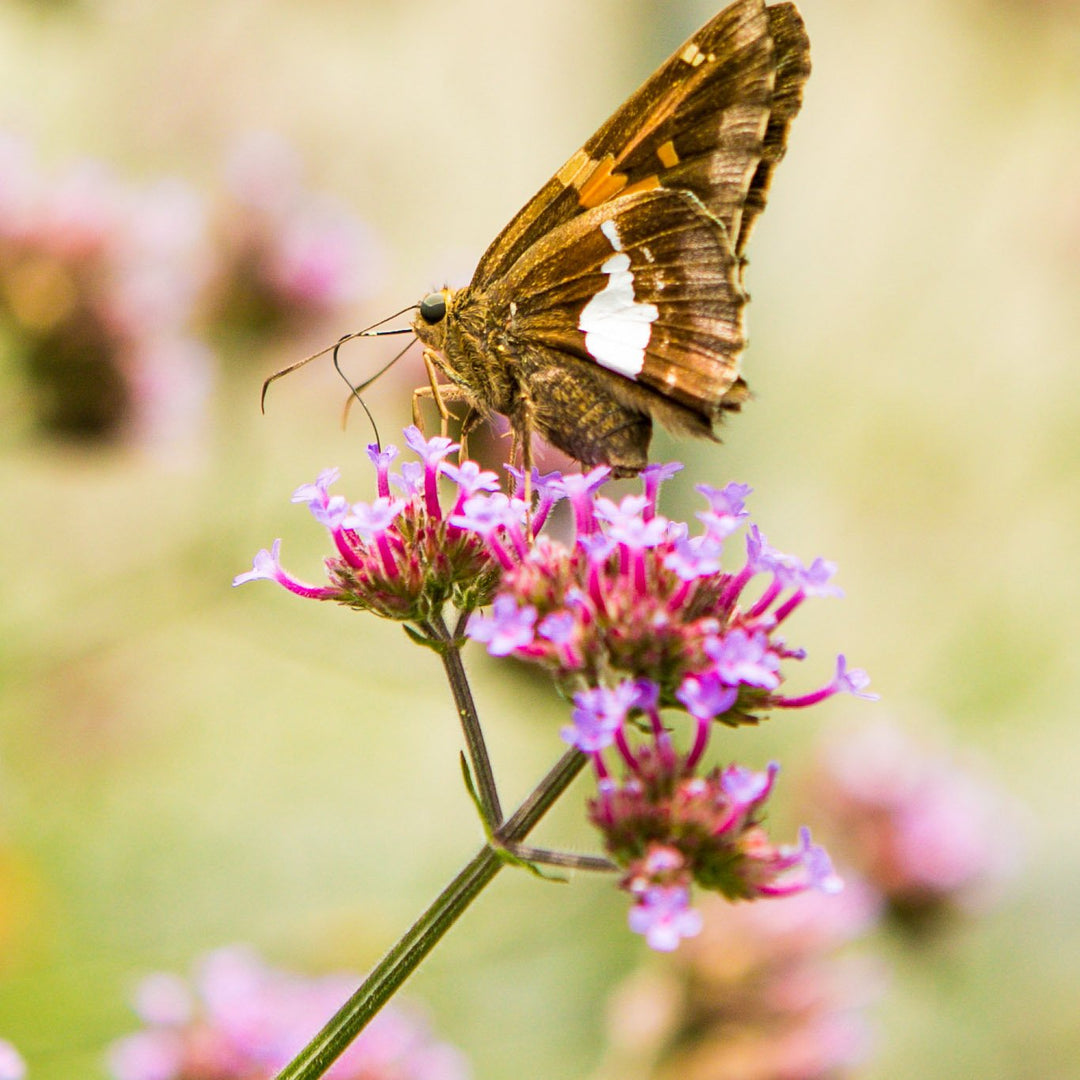
- Pollinator support through flowering herbs
- Cost savings over time
- Greater connection to your outdoor space
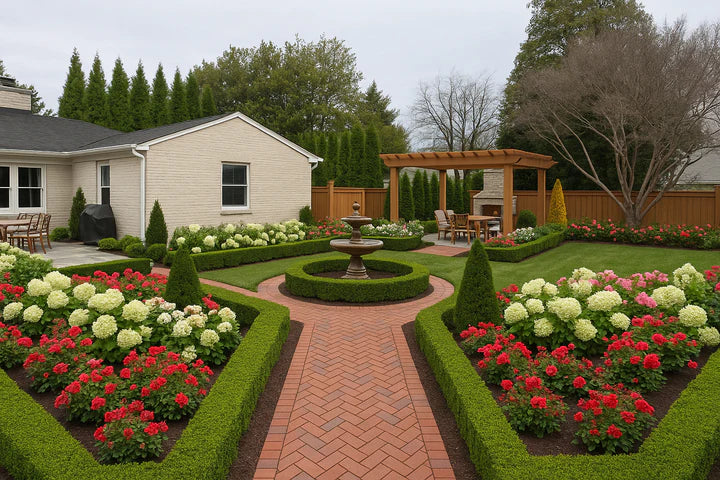
Edible gardens can be formal and structured or relaxed and cottage-inspired. They can live in raised beds, decorative containers, or tucked into existing ornamental borders.
Spring & Summer Vegetables to Plant Now
Georgia’s warm climate means spring planting sets you up for strong summer harvests.
Tomatoes
A Southern staple. Plant after the last frost in full sun and provide sturdy support. Choose determinate types for containers or indeterminate for extended harvests.
Peppers
From sweet bell to spicy jalapeño, peppers thrive in heat. They’re compact enough for raised beds and containers and produce continuously through summer.
Cucumbers
Perfect for trellises or vertical growing systems. They save space and add height to edible gardens.

Cool-Season Vegetables (Early Spring & Fall)
These crops love milder temperatures and can extend your growing season dramatically.
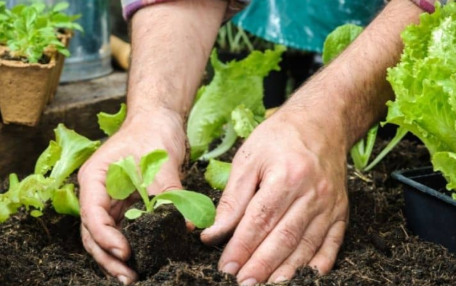
- Lettuce
- Spinach
- Kale
- Swiss chard
- Broccoli
- Carrots
- Radishes
Plant in early spring or again in fall for multiple harvest windows.
Herbs That Thrive in Southern Gardens
Herbs are some of the easiest, most rewarding plants you can grow. Many are drought tolerant once established and attract beneficial insects when flowering.
Basil
A warm-season favorite that pairs perfectly with tomatoes. Pinch regularly to prevent flowering and encourage bushy growth.
Rosemary
Woody, evergreen, and drought tolerant. Great in the ground or large containers.
Thyme
Low-growing and perfect for borders or between stepping stones.
Oregano
Fast-growing and flavorful. Excellent for raised beds and mixed herb gardens.
Mint
Best grown in containers—it spreads aggressively but is wonderful for teas and garnishes.
Parsley
Great transitional herbs for cooler seasons. They tolerate light frosts and reseed easily.

Designing an Edible Garden That Looks Good
Vegetable gardens don’t have to look utilitarian. Consider:
- Raised beds with clean lines
- Gravel pathways for structure
- Companion planting for visual interest
- Mixing herbs into ornamental borders
- Using trellises for vertical appeal
A well-designed edible garden feels intentional—not temporary.
Growing Tips for Success
- Choose full sun (6–8 hours daily)
- Start with quality soil—compost is key
- Install drip irrigation for consistency
- Mulch to retain moisture and reduce weeds
- Rotate crops seasonally to maintain soil health
Healthy soil and consistent watering solve most common problems.
Small Space? No Problem.
If you’re short on space:
- Grow herbs in containers near your kitchen
- Use vertical supports for tomatoes and cucumbers
- Try compact vegetable varieties
- Incorporate edible plants into landscape beds
Even a sunny balcony can support a productive mini-garden.
Harvest More Than Food
Vegetable and herb gardens provide:
- Family engagement
- Pollinator habitat
- Educational opportunities for kids
- Seasonal rhythm in your landscape
They reconnect us to where our food comes from—and that’s something worth planting.
Ready to Start Growing?
Whether you’re building raised beds from scratch or refreshing an existing garden, planting vegetables and herbs this season is one of the most rewarding investments you can make in your landscape.
Start small, grow confidently, and enjoy the process. Your future meals will thank you.