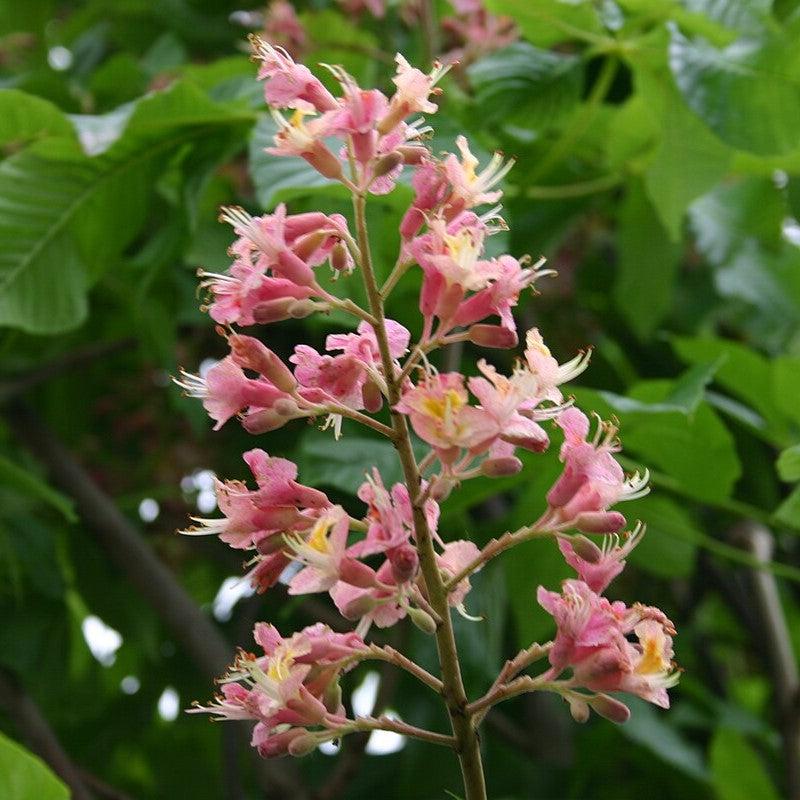

















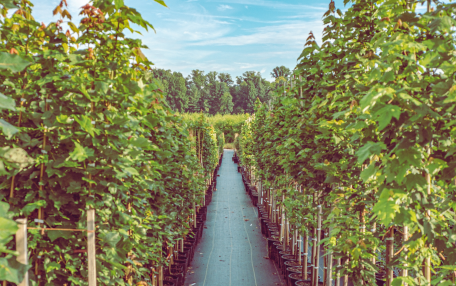



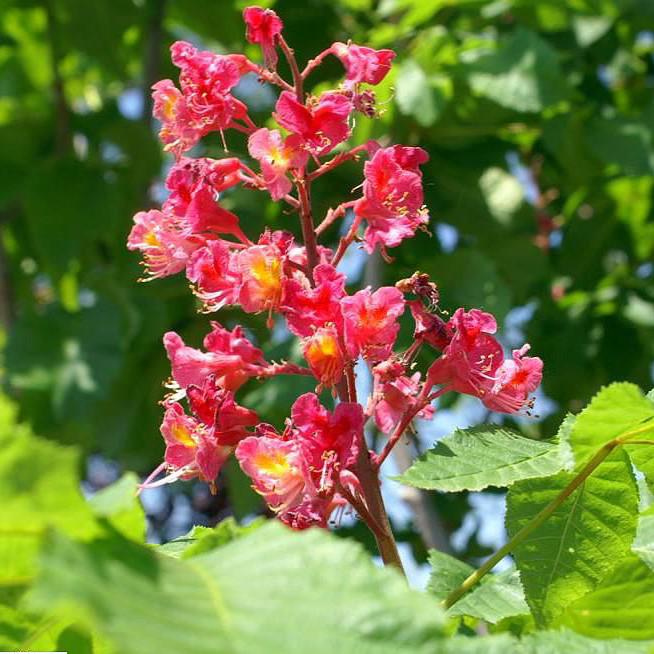
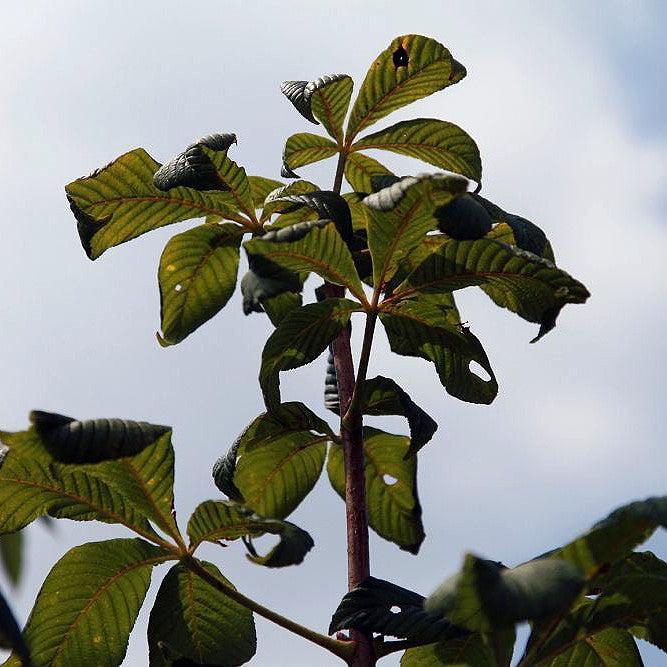
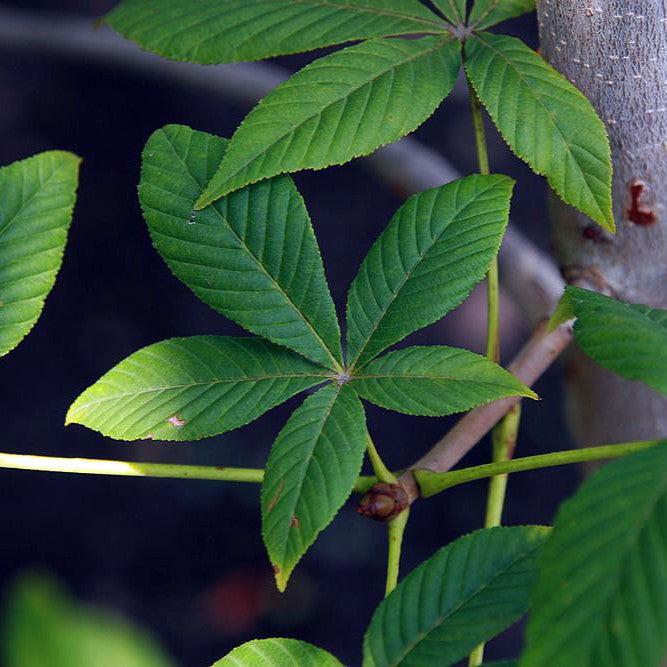


Fort McNair Red Horsechestnut is a medium-sized deciduous tree with a dense rounded crown and foliage that emerges light green and matures to rich dark green foliage before turning golden in fall. Dense, showy panicles of pink flowers with yellow throats bloom in spring. The spiny seedpods are insignificant. Grows best in rich, moist acidic soils.
|
Type: |
|
|
Origins: |
Europe |
|
Height: |
30' - 40' |
|
Spread: |
20' - 30' |
|
Spacing: |
25' |
|
USDA Hardiness Zone: |
4 - 9 |
|
Culture: |
|
|
Bloom Color: |
Pink |
|
Season of Interest: |
MAINTENANCE NEEDS: Low maintenance. Leaf blotch can be a significant problem. Watch for powdery mildew causing early leaf drop. Bagworms, Japanese beetles and borers are infrequent but potentially troublesome. Drought can cause leaf scorch.
LANDSCAPE USES: Accents or Group Plantings, Borders, Woodland Gardens, Naturalized Areas, Ponds and Streams, Foundation Plantings, and Hedges.
COMPANION PLANTS: Heuchera, Hosta, Red Maple
IMAGES: Photo by David J. Stang, Aesculus x carnea Fort McNair 3zz, CC BY-SA 4.0, (2) SB Johnny, Aesculus Fort McNair, CC BY-SA 3.0, (3) Photo by David J. Stang, Aesculus x carnea Fort McNair 5zz, CC BY-SA 4.0, (4) Photo by David J. Stang, Aesculus x carnea Fort McNair 6zz, CC BY-SA 4.0
*As plants have ranges in appearance they may not appear as the images shown.