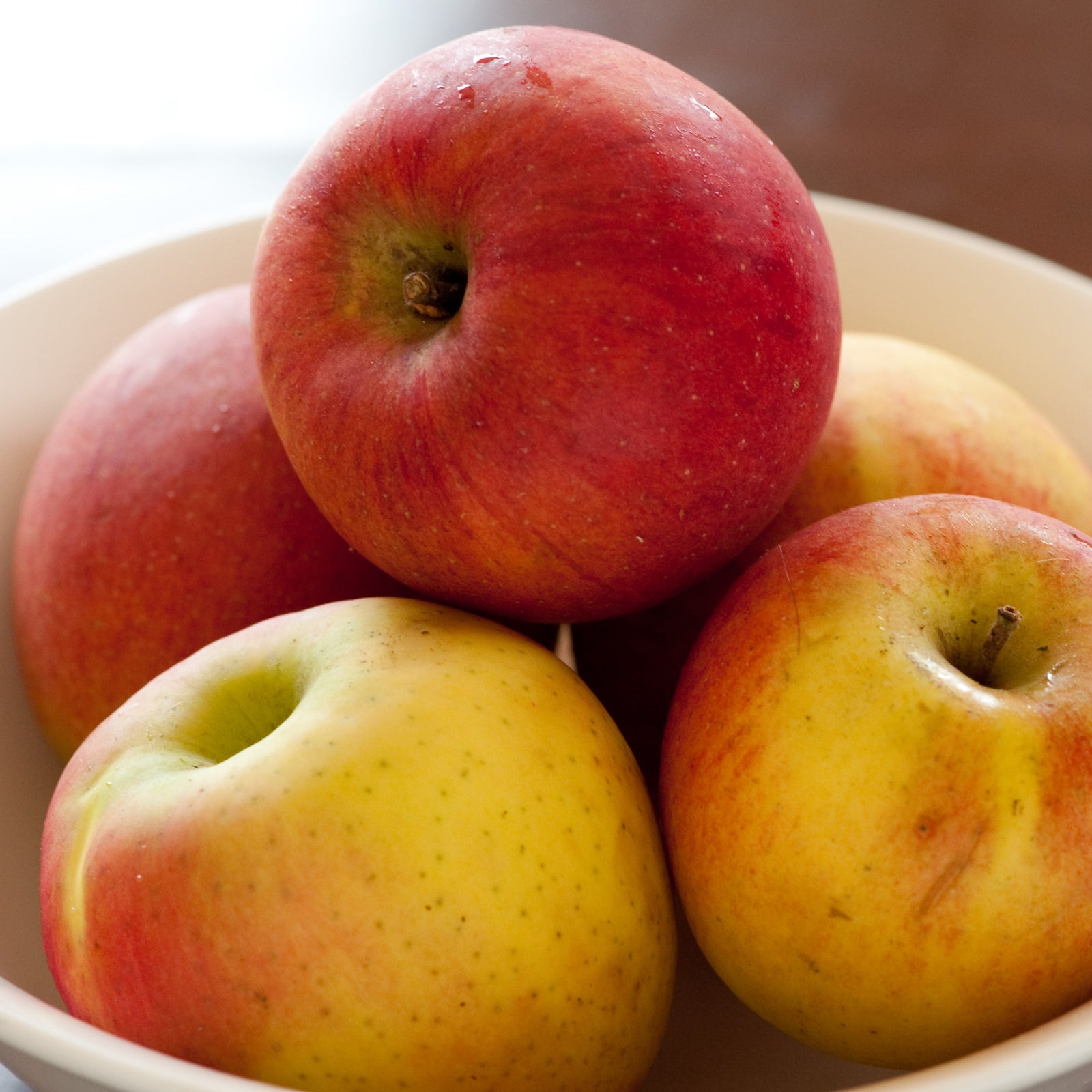



















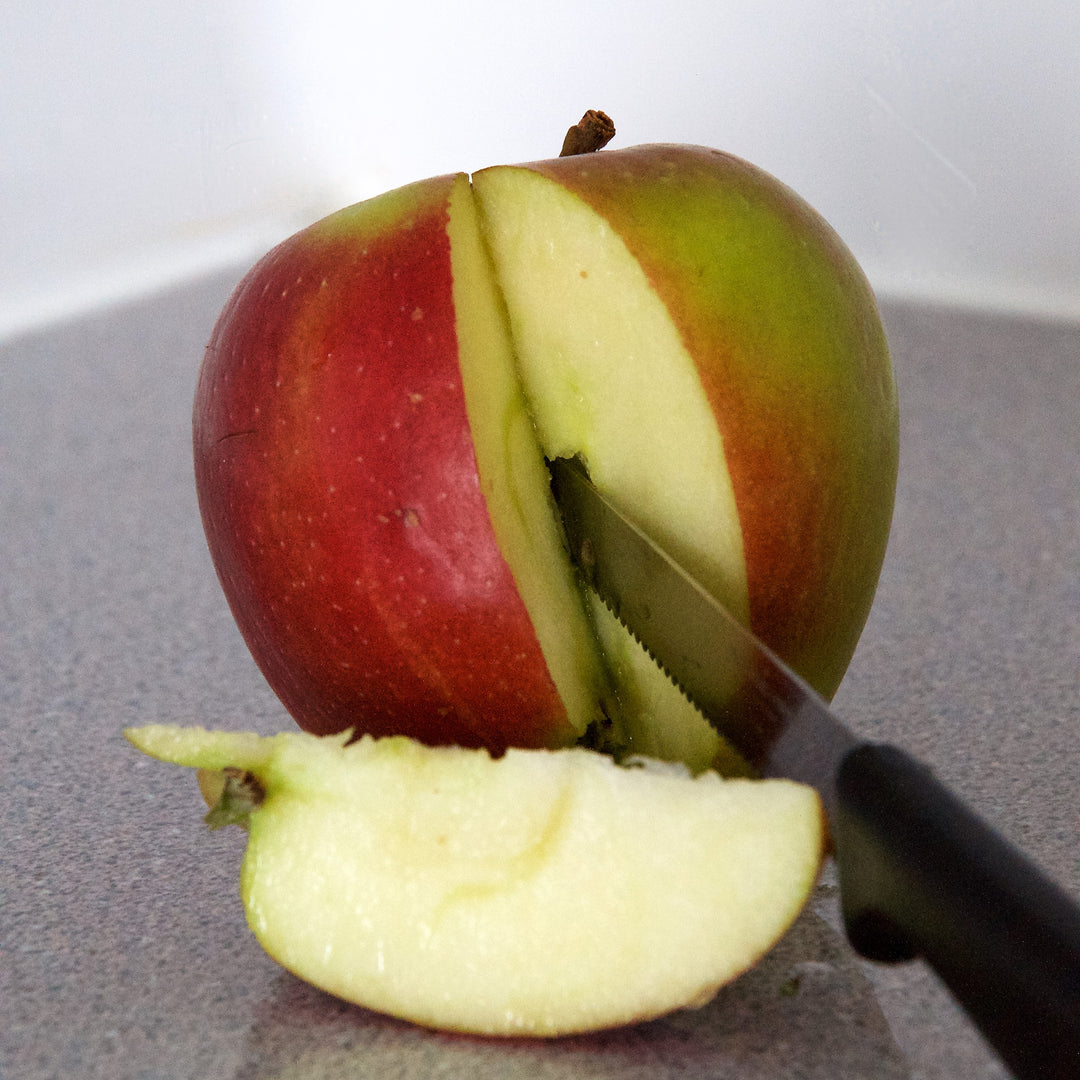
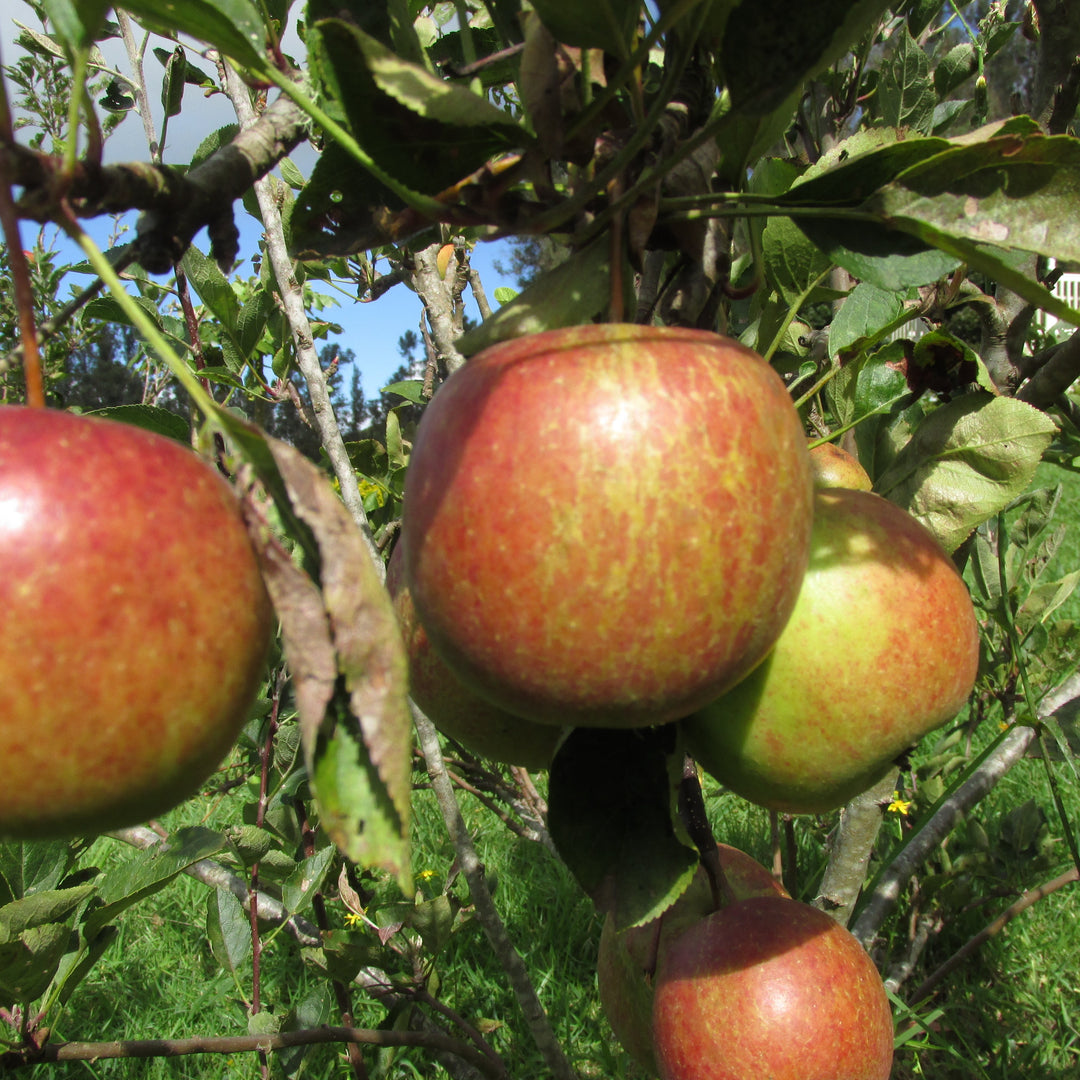


Braeburn Apple is a popular fruiting deciduous tree known for its strong production of highly flavorful late-season fruit. These fruits have yellow skin with heavy red flushing and crisp, juicy cream colored flesh that have a balanced sweet-acidity and a rich, cider-like undertone with complex spice, pear, and citrus notes. While best fresh from the tree, the fruits can be picked while still slightly immature for cold storage for up to 8 months. Grows best with full sun and rich well-drained soils. Needs a cross-pollinator, such as Golden Delicious or Granny Smith.
|
Type: |
|
|
Origins: |
Central Asia and Afghanistan |
|
Height: |
12' - 15' |
|
Spread: |
12’ - 15' |
|
Spacing: |
12' |
|
USDA Hardiness Zone: |
5 - 8 |
|
Culture: |
|
|
Bloom Color: |
White |
|
Season of Interest: |
MAINTENANCE NEEDS: High Maintenance. Water Regularly. Potential issues include apple scab, cedar apple rust, fire blight, leaf spot and and powdery mildew. Possible pests are aphids, maggots, boreres, and spider mites. Most commercially available Apples are grafted onto their rootstock, resulting in dwarf (8-10ft), Semi-dwarf (12-15ft) or standard tree heights all with full sized fruits. Ask the provider the rootstock classification for estimated size. Dwarf stock is easier to maintain and produces fruit at an earlier age.
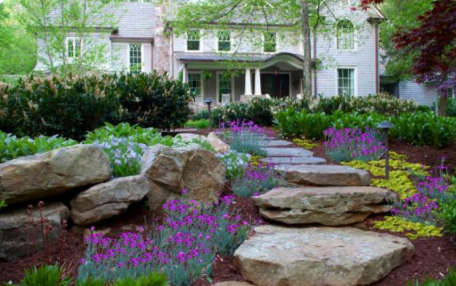
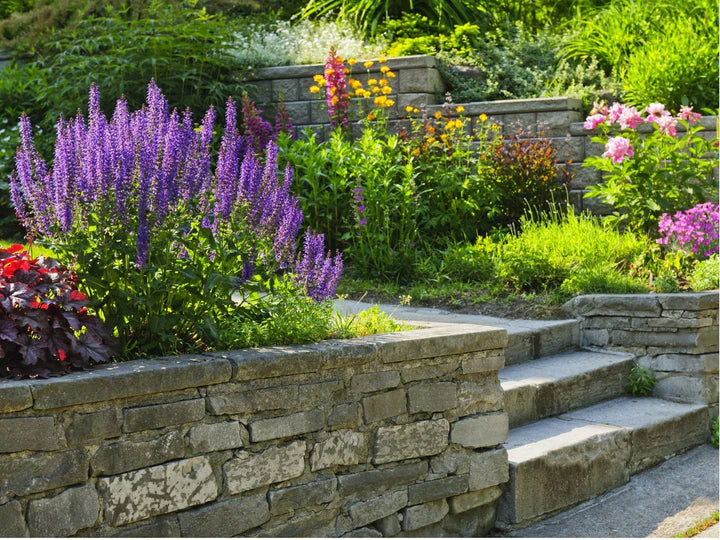
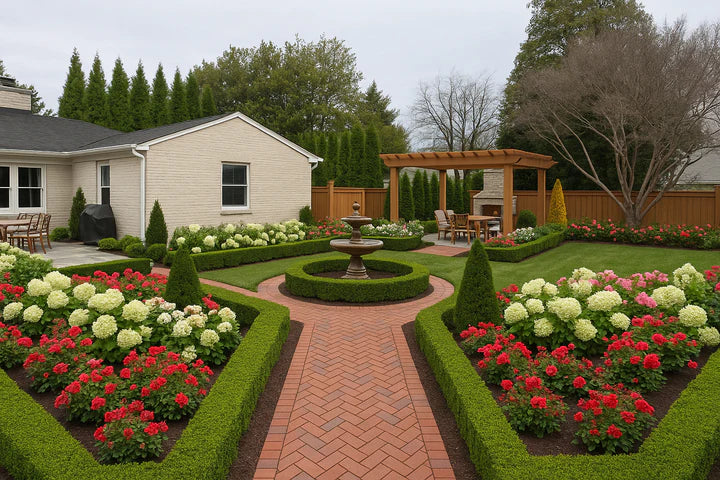
LANDSCAPE USES: Accents or Group Plantings, Borders, Wildlife Gardens, Shade Tree, Edible Garden, and Container.
COMPANION PLANTS: Apple, Shasta Daisy, Bugleweed
IMAGES: Martin Pettitt, Apple A Day, (2) jules, braeburn apples, (3) Forest and Kim Starr, starr-151111-2858-Malus_pumila-Braeburn_fruit-Maui_Lavender_Kula-Maui
*As plants have ranges in appearance they may not appear as the images shown.