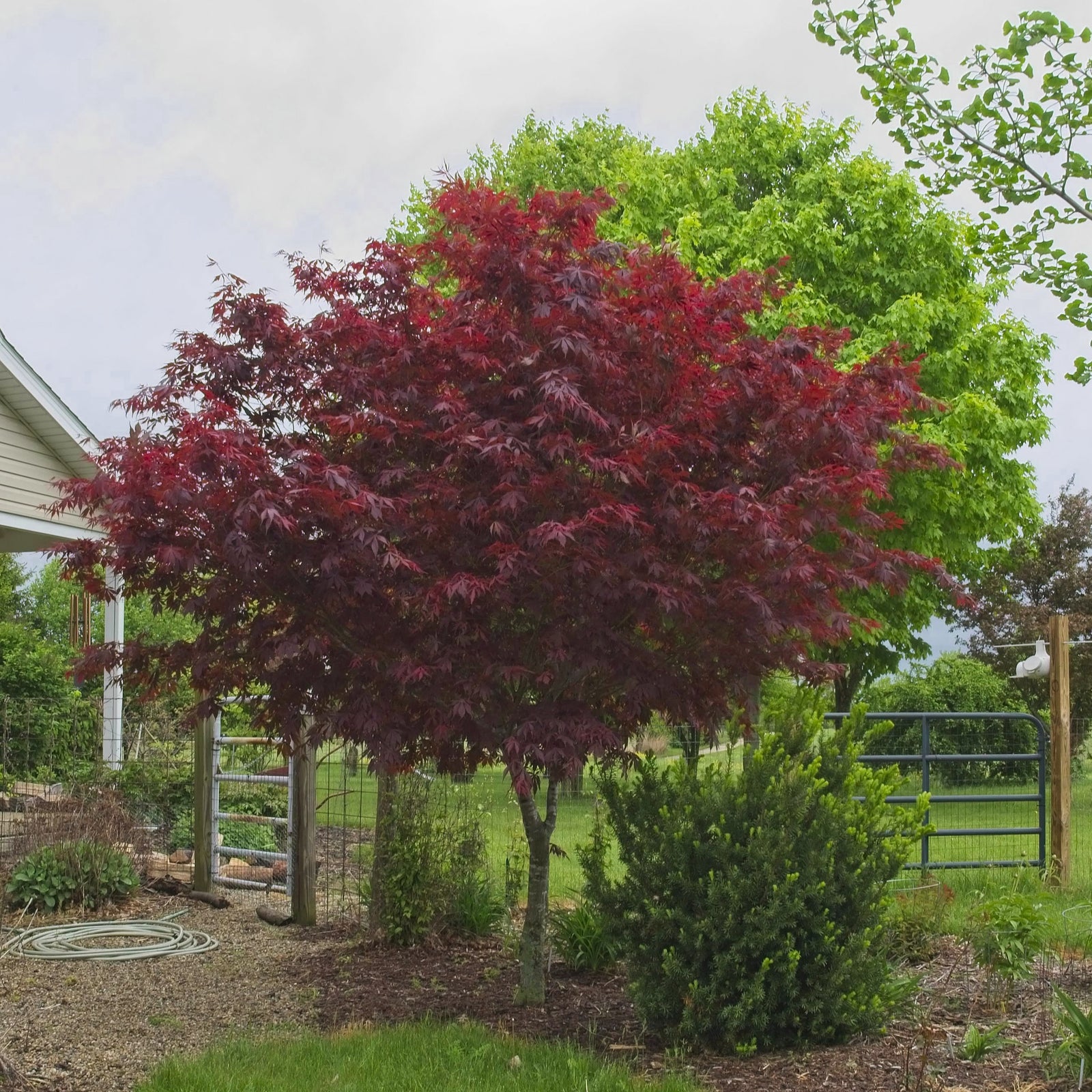



















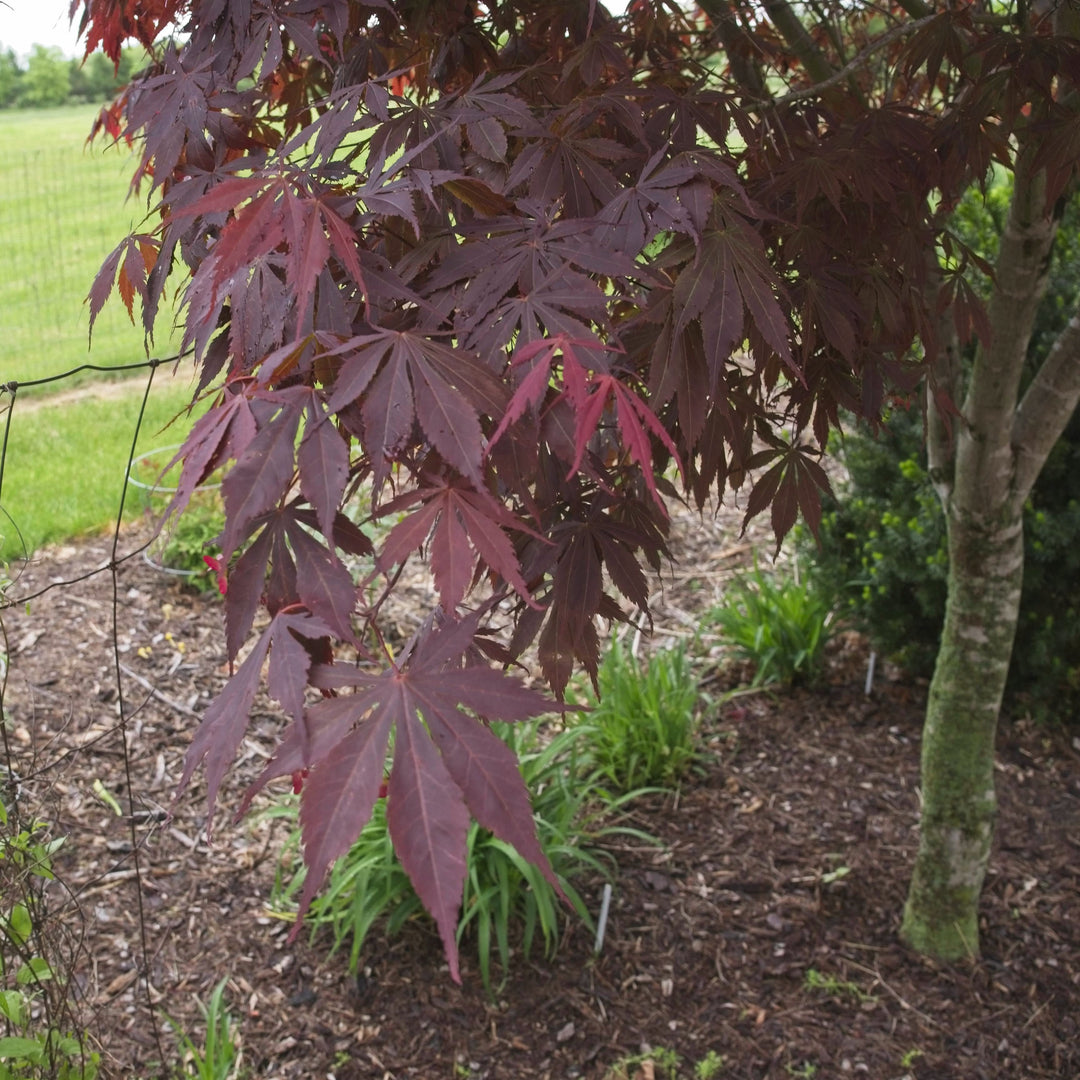
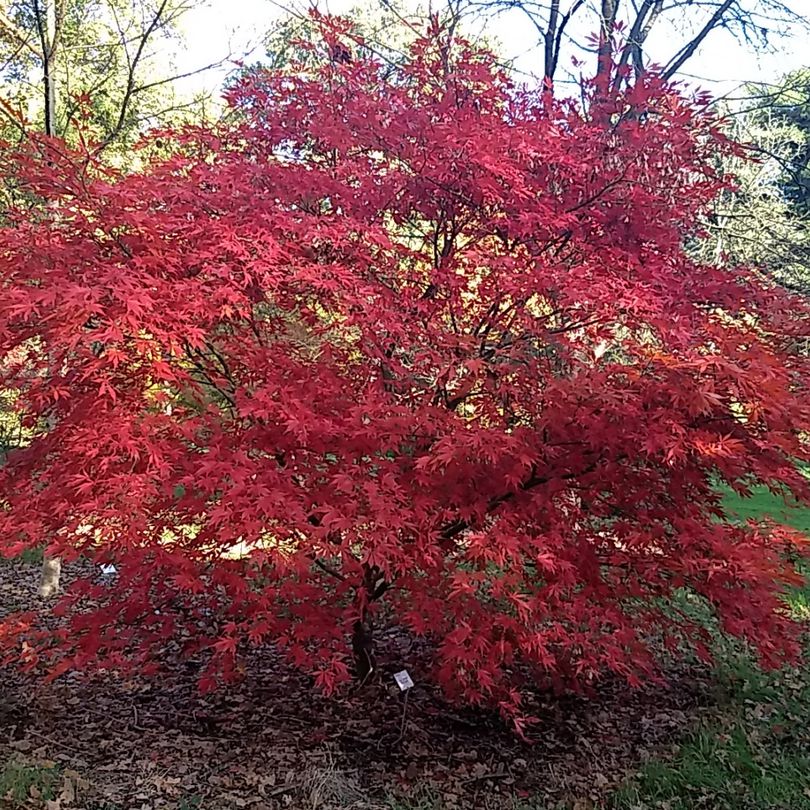


Suminagashi Japanese Maple is a deciduous tree with a vase-like habit that rounds with age. Its deeply dissected emerge a maroon red that deepens and briefly greens in midsummer before turning bright red in in the fall. Grows best in rich, moist, slightly acidic well-drained soils. Prefers full sun in cooler climates, but needs afternoon shade in southern areas.
|
Type: |
|
|
Origins: |
East Asia |
|
Height: |
15’ - 18’ |
|
Spread: |
10’ - 14’ |
|
Spacing: |
12’ |
|
USDA Hardiness Zone: |
5 - 8 |
|
Culture: |
|
|
Bloom Color: |
Red |
|
Season of Interest: |
MAINTENANCE NEEDS: Low maintenance. Water regularly. Mulch in southern climates to keep roots cool. Keep pruning to a minimum and prune in fall or winter. Potential issues include stem canker, leaf spots, fusarium, wilt, botrytis, anthracnose, and root rots. Potential insect pests include aphids, scale, borers, root weevils, and mites. Chlorosis may occur in high pH soils.
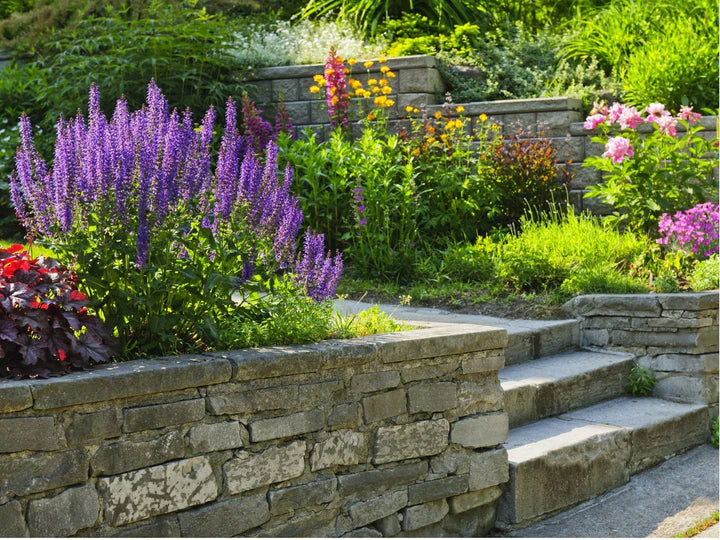
LANDSCAPE USES: Group Plantings or Specimen Tree, Woodland Gardens, and Street Tree.
COMPANION PLANTS: Japanese Forest Grass, Rhododendron, Hosta
IMAGES: WikiRigaou, Acer Palmatum Suminagashi, CC BY-SA 4.0, (2) F. D. Richards, Acer palmatum 'Sumi Nagashi', 2019 photo (1)+(2)
*As plants have ranges in appearance they may not appear as the images shown.