






















The Amanagawa Cherry (Prunus serrulata 'Amanogawa') is a distinctive Japanese flowering cherry tree known for its unique columnar/fastigiate growth habit (narrow and upright). Fragrant semi-double pink blossoms in spring. Flowers best in full sun and rich moist well-drained soils.
|
Type: |
|
|
Origins: |
East Asia |
|
Height: |
20’ - 25’ |
|
Spread: |
8’ - 10’ |
|
Spacing: |
25’ |
|
USDA Hardiness Zone: |
5 - 9 |
|
Culture: |
|
|
Bloom Color: |
Pink |
|
Season of Interest: |
MAINTENANCE NEEDS: High Maintenance. Pests and diseases can be a problem. Watch for aphids, scale, borers, caterpillars, beetles and spider mites. Potential diseases include leaf spot, dieback, leaf curl, powdery mildew, root rot, and fireblight. Cherries have weak wood and are susceptible to breakage.
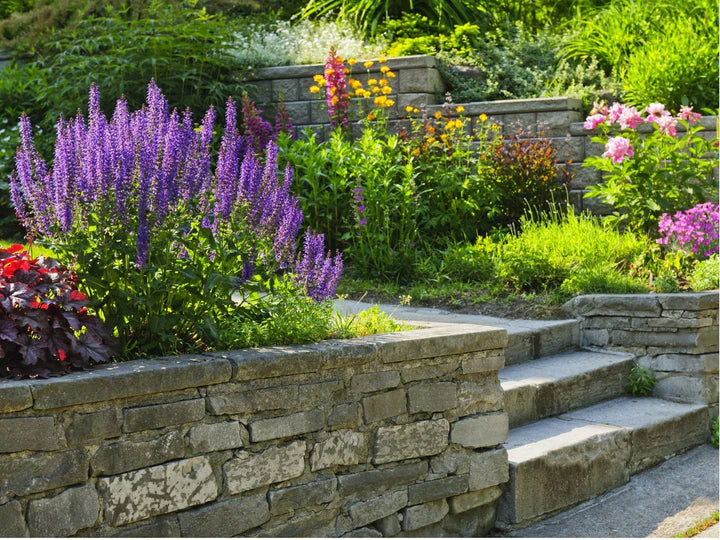
LANDSCAPE USES: Accents or Group Plantings, Borders, Woodland Gardens, Naturalized Areas, Wildlife Gardens, and Shade Tree.
COMPANION PLANTS: Hibiscus, Coneflower, Viburnum
IMAGE: Photos by gardenia net.
*As plants have ranges in appearance they may not appear as the images shown.