





















Burford Holly, scientifically known as Ilex cornuta 'Burfordii', is a popular evergreen shrub in the holly family (Aquifoliaceae). Here's some information about Burford Holly:
-
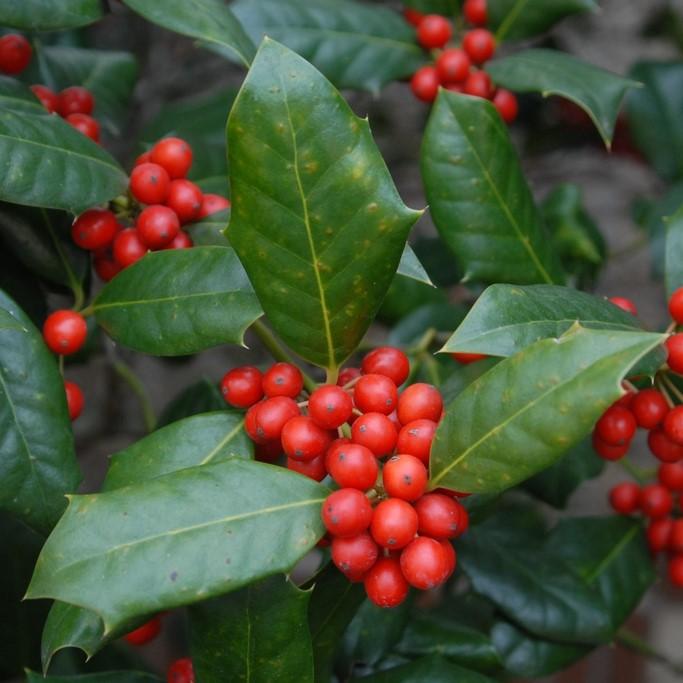
Appearance: Burford Holly is a dense, rounded shrub that can reach a height and spread of about 10 to 15 feet (3 to 4.5 meters). It has glossy, dark green leaves with spiny margins, giving it a classic holly look.
-
Flowers and Fruits: In spring, Burford Holly produces small, white flowers that are inconspicuous but attract pollinators. Female plants will develop bright red berries in the fall and winter, which persist throughout the season and provide a beautiful contrast against the dark green foliage. Male plants are needed for pollination to produce berries.
-
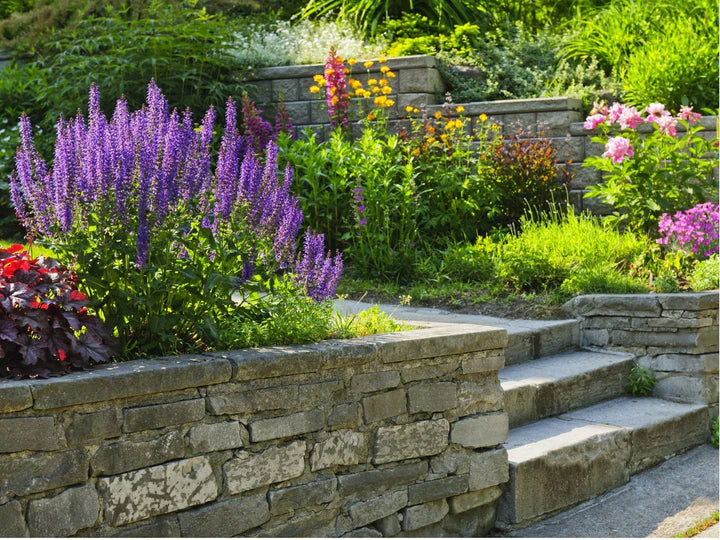
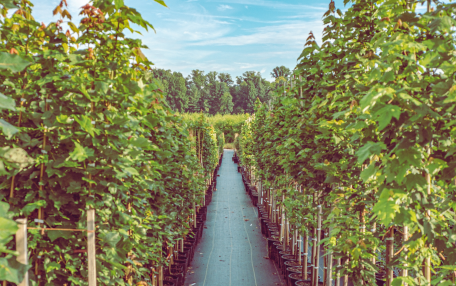
Uses: Burford Holly is a versatile shrub that can be used in various ways. It is commonly used as a hedge or screen due to its dense growth habit and spiny foliage, which provides privacy and security. It can also be used as a specimen plant, foundation planting, or in mixed borders to add year-round interest.
|
Type: |
|
|
Origins: |
East China and Korea |
|
Height: |
8' - 20' |
|
Spread: |
5’ - 10' |
|
Spacing: |
7’ |
|
USDA Hardiness Zone: |
6 - 8 |
|
Culture: |
|
|
Bloom Color: |
White |
|
Season of Interest: |
MAINTENANCE NEEDS: Low Maintenance. Water regularly. Well-drained soils essential. Potential issues include mites, scale, leaf spot, rot, and mildew. Susceptible to leaf scorch or drop if not protected from afternoon sun in hotter climates.
LANDSCAPE USES: Accents or Group Plantings, Borders, Woodland Gardens, Privacy Screen, Hedges, Foundation Plantings, and Containers.
COMPANION PLANTS: Blueberry, Pieris, Rhododendron
IMAGE: Jim Robbins, Fruit and Leaves Close-up, CC BY-NC-ND 4.0
*As plants have ranges in appearance they may not appear as the images shown.