






















Barrier Trees: Living Solutions for Privacy, Protection, and Property Definition
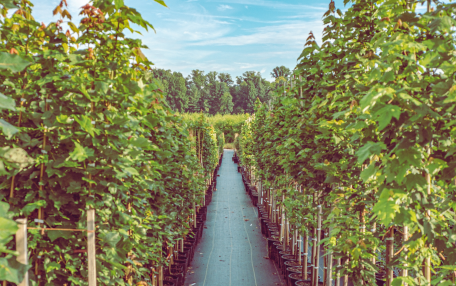
Barrier trees are one of the most effective — and attractive — ways to shape space in the landscape. Whether you’re blocking unwanted views, buffering noise, slowing wind, or defining a property edge, barrier plantings create living boundaries that work harder and age more gracefully than fences alone.
In Southern landscapes especially, barrier trees play a critical role in privacy, microclimate control, wildlife support, and long-term property value. The key is choosing the right type of barrier tree for the job — and planting it with intention.
What Are Barrier Trees?
Barrier trees are trees or large shrubs planted specifically to:
-
Create visual or physical separation
-
Reduce noise, wind, or dust
-
Improve privacy and security
-
Define edges, corridors, or zones within a property
They’re often planted in rows, staggered screens, or layered groupings and can be evergreen, deciduous, or mixed depending on function.

Types of Barrier Trees & How They’re Used
1. Privacy & Screening Barriers
Purpose: Block views from roads, neighbors, or adjacent properties
Best Traits: Dense branching, evergreen foliage, consistent growth habit
Top Plant Picks for the South
-
Thuja ‘Green Giant’ – Fast-growing evergreen screen with strong vertical form
-
Homefire Holly – A tall, dense evergreen with glossy leaves and winter berries; great for a classic evergreen screen
-
Greensboro Red Camellia – A flowering option for a dense evergreen screen
-
Full Speed A Hedge® Arborvitae – A newer fast-growing cultivar for tight spaces
Design Tip: Stagger rows rather than planting in a straight line for faster visual coverage and better wind movement.
2. Windbreak & Microclimate Barriers
Purpose: Reduce wind speed, protect gardens and structures, improve plant survival
Best Traits: Strong branching, flexible limbs, deep roots
Top Plant Picks
-
Southern Red Cedar – Native, tough, and excellent wind protection
-
Yaupon Holly – Upright, drought-tolerant evergreen that performs in wind and heat once established
-
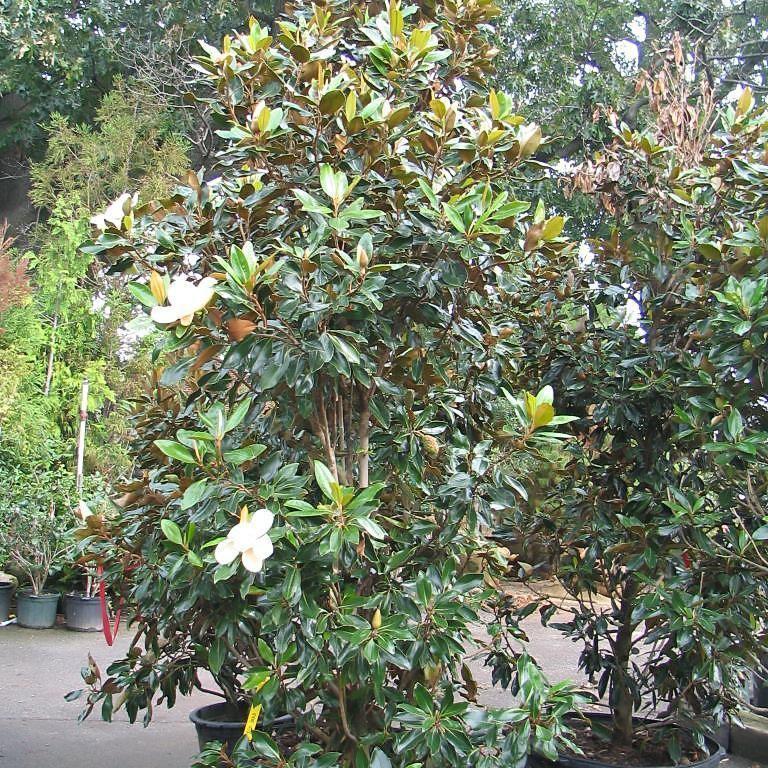
Little Gem Southern Magnolia – A more compact dense evergreen canopy with year-round structure
Design Tip: Windbreaks work best when planted perpendicular to prevailing winds and layered with shrubs at the base.

3. Noise & Roadway Buffers
Purpose: Soften sound from traffic, neighbors, or commercial areas
Best Traits: Thick foliage, mixed plant heights, year-round mass
Top Plant Picks
-
American Holly – A native evergreen with sturdy, dense growth.
-
Blue Princess Holly (Ilex x ‘Blue Princess’) – Broad evergreen habit with year-round foliage mass for sound buffering and privacy.
-
Oakleaf Holly (Ilex ‘Conaf’) – Larger evergreen with oak-like leaves and seasonal berries, excellent for deeper roadside buffers.
Design Tip: Noise reduction improves dramatically with layered planting — trees + shrubs + groundcover.
4. Security & Boundary Definition
Purpose: Discourage foot traffic, define property lines, guide movement
Best Traits: Dense growth, thorny or rigid structure
Top Plant Picks
-
Pyracantha – Thorny barrier with berries and wildlife value
-
Needlepoint Holly – Glossy evergreen with sturdy form and year-round coverage that doubles as a secure hedge.
-
Savannah Holly – can also work here if planted closer together — its thick foliage is effective at marking boundaries
Design Tip: Combine physical barriers with visual cues like mulch lines, berms, or subtle fencing for clarity.

Evergreen vs. Deciduous Barriers: Which Is Right?
-
Evergreen barriers provide year-round privacy and structure
-
Deciduous barriers allow winter light and seasonal openness
-
Mixed barriers offer the best balance of privacy, resilience, and aesthetics
In the South, mixed plantings also reduce pest pressure and storm vulnerability.
Quick Notes for Planting Barriers Successfully
-
Evergreens dominate screening categories because they provide coverage year-round and tend to fill in densely.
-
Pair broad hollies with narrower upright forms if you need different heights or layered density.
-
Spacing matters: Always space based on mature width rather than nursery size to avoid gaps later.
-
Pollination: Certain hollies (like Homefire or Savannah) need male/female pairs for berries.
-
Use drip irrigation: during establishment (first 12–18 months)
-
Mulch: Generously but keep mulch off trunks
Barrier plantings are an investment, and proper spacing prevents future failures and overcrowding.
Build Smarter Boundaries with ServeScape
You can browse our Privacy Screen Collection for the mentioned trees and more, or to imagine what a barrier tree looks like on your property use our free InstaScape for a visual using an actual photo of the area of interest.
If you have more questions, please reach out to our team of designers or Plant Nerd AI.
Whether you need privacy from a busy road, wind protection for a garden, or a living property line that grows more valuable every year, barrier trees are one of the smartest landscape tools available.
Because the best boundaries don’t just divide space — they improve it